Independent security testing · Melbourne based · Remote delivery
Independent penetration testing for teams that need clear answers before they ship, buy, or automate.
We help you find the attack paths that matter in your applications, infrastructure, and AI workflows, then explain what to fix in plain English.
Scope agreed firstManually checkedFix-ready reporting

You will know what was tested, what was found, why it matters, and how to fix it. Each report includes impact, reproduction steps, and remediation guidance written for the people who need to act.
Scope agreed first
Boundaries, access expectations, timing, and constraints are confirmed before work begins.
Findings for engineers and leaders
Reports are written for engineering, security, leadership, procurement, and customer-facing teams.
Handled discreetly
Access, data handling expectations, and sensitive-environment requirements are set before the engagement starts.
Remediation guidance
Findings include reproduction detail and remediation guidance so teams can resolve issues.
Proof and methodology
See exactly how the work is scoped and reported before you book.
If you are comparing providers, start with the methodology and report structure. They show how the testing is approved, how findings are checked, and how the report explains technical issues without burying the decision.
AI access and automation
Before AI touches sensitive data or important decisions, test what it can access, call, and change.
When an assistant can retrieve internal data or call tools, we check permissions, approval paths, exposed data, tool behaviour, and the evidence left behind.

Review focusAutomated workflows, retrieval exposure, approval logic, operator oversight, and operational effects in live systems.
Core services
Start with the risk you need to understand.
Choose the review by what could go wrong: product abuse, exposed infrastructure, control gaps, or AI-assisted workflows.
Application penetration testing
Web apps, mobile clients, APIs, authentication, authorisation, tenant boundaries, and business-critical workflow logic.
Infrastructure penetration testing
Internet exposure, remote access, cloud identity, segmentation, management surfaces, and operational attack paths.
Security posture assessment
Posture assessment across governance, identity, resilience, and vendors.
AI security review
Review copilots, retrieval systems, automated workflows, and the permissions around data and tools.
How engagements work
We agree the scope, test carefully, then give you findings your team can act on.
1. Agree the review
We confirm the system, timing, access, boundaries, authorisation, and communication plan before testing starts.
2. Check what matters
Tools help with coverage, but important findings are checked manually so the report reflects real exposure rather than scanner noise.
3. Report clearly
The report explains what was tested, what was excluded, what was found, and what to do next.
4. Support the next step
You get evidence for the decision in front of you: release, procurement, remediation, risk review, or AI rollout.
Who this is for
For the people who have to explain, fix, or rely on the result.
Launch readiness
Validate critical attack paths before a major release, enterprise rollout, or higher-stakes customer launch.
Customer reviews
Support questionnaires, procurement checks, and third-party assessments with a clear security summary.
Remediation planning
Turn uncertainty into a concrete fix list with technical detail and prioritisation.
Sensitive AI rollout
Test what assistants, copilots, or automations can access, trigger, or expose before rollout.
Fresh insights
Practical notes from the security problems teams are working through.
Insights on penetration testing, AI security, and remediation decisions.
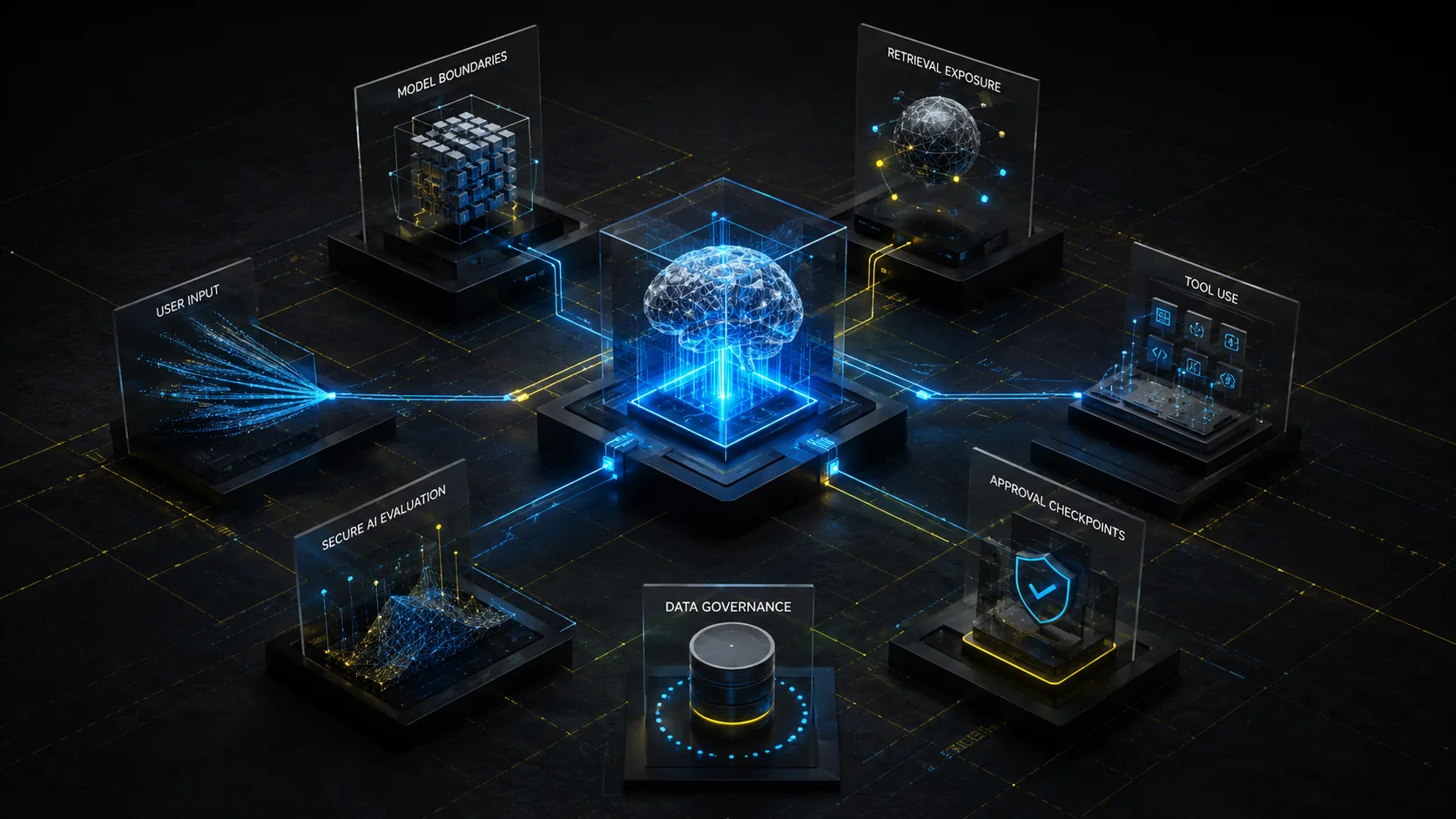
What AI security review looks like in 2026
How retrieval, tool access, approvals, and automated behaviour change the review approach.

What modern app penetration testing covers
Why a meaningful review spans the web app, mobile client, APIs, identity, and workflow logic together.

Secure AI automation without losing control
How to gain speed from AI-powered workflows without losing approvals, oversight, or accountability.
Start the conversation
Request a quote
Tell us what you are reviewing, when you need the answer, and who needs to rely on the report.
Request a quote
Tell us what you are reviewing, when you need the answer, and who needs to rely on the report.